
Understanding Duck à l'Orange: History and Ingredients
Duck à l'Orange is a classic French dish that showcases the exquisite pairing of rich duck meat with a sweet and tangy orange sauce. This dish is celebrated for its unique combination of flavors and its stunning presentation, making it a favorite for special occasions and fine dining experiences. As culinary enthusiasts embark on a quest to find the best duck a l’orange near me, understanding the history and ingredients of this dish can enhance the dining experience.
What is Duck à l'Orange?
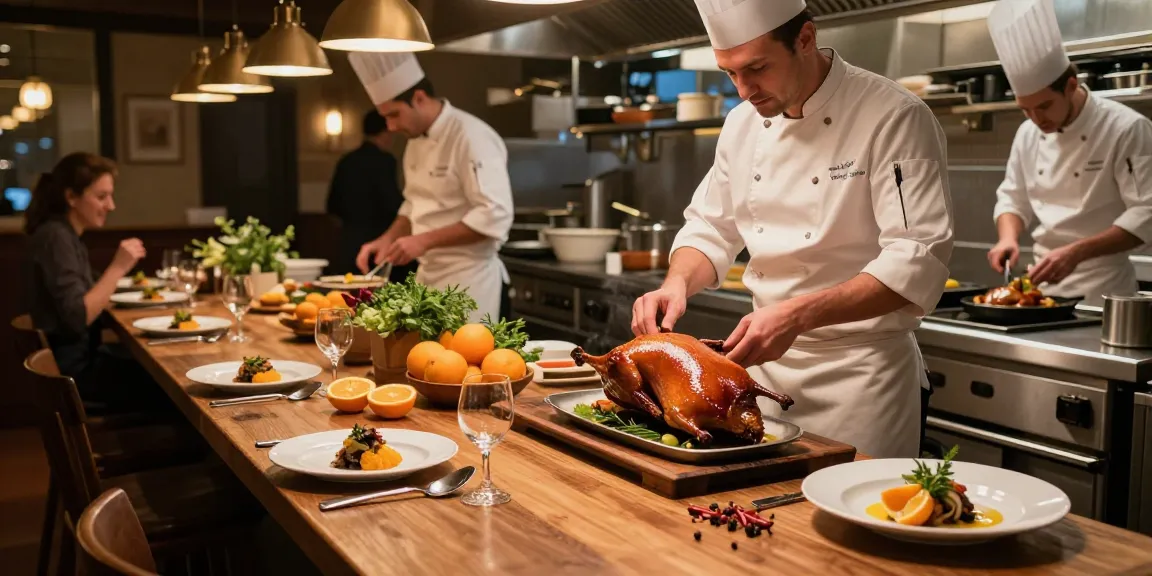
Duck à l'Orange is a succulent dish that features roasted duck served with a sauce made primarily from orange juice, sugar, and stock. This dish is known for its rich flavors, where the savory notes of the duck are beautifully complemented by the sweetness of the orange. Traditionally, the dish is made using a whole duck, which is roasted to perfection, resulting in crispy skin and tender, juicy meat. Often served with side dishes like sautéed vegetables or potatoes, Duck à l'Orange delights both the eyes and the palate.
Key Ingredients for Authentic Flavor
To capture the authentic taste of Duck à l'Orange, certain key ingredients are essential:
- Duck: A good-quality duck, preferably a whole duck, is vital for depth of flavor.
- Oranges: Fresh oranges are necessary for juice and zest, while bitter orange varieties enhance complexity.
- Stock: A rich duck or chicken stock serves as the base for the sauce, adding depth.
- Sugar: Sugar caramelizes to create a beautiful glaze and balance out the acidity of the orange.
- Vinegar: A splash of white wine or red wine vinegar can add acidity for a balanced sauce.
Historical Background and Cultural Significance
The origins of Duck à l'Orange date back to the 18th century, with roots deeply embedded in French cuisine. It is believed to have evolved from earlier dishes that paired poultry with fruit sauces, a popular trend during this culinary period. The dish gained prominence in the 19th century and became a staple in French bistros and restaurants. Its cultural significance is not only tied to its exquisite flavor but also to its representation of French culinary techniques that focus on sophisticated pairings and balanced flavors.
Finding the Best Duck à l'Orange Near You
With the growing popularity of Duck à l'Orange, many restaurants and cafés have begun to feature this beloved dish on their menus. To ensure a memorable dining experience, it’s essential to know where to find top-rated options. Here are some suggestions to help you discover where to savor the best Duck à l'Orange.
Top-rated Restaurants and Cafés Offering Duck à l'Orange
When seeking out the best Duck à l'Orange, consider these types of establishments:
- Fine Dining Restaurants: High-end restaurants often serve Duck à l'Orange prepared by skilled chefs, ensuring authentic flavors and elegant presentation.
- Bistros: Traditional French bistros can offer a rustic version, often paired with homemade sides and sauces.
- Gourmet Cafés: Some modern cafés may give a creative twist to the classic dish, incorporating local ingredients.
Online Resources to Discover Local Dining Options
Utilizing various online platforms can simplify your search for Duck à l'Orange. Websites and applications like Yelp, TripAdvisor, and Google Maps boast user reviews and ratings, helping you gauge the quality of dishes. Additionally, local food blogs and forums can offer recommendations based on personal experiences, helping you make an informed choice.
Tips for Choosing the Right Place Based on Reviews
When evaluating restaurants for Duck à l'Orange, consider the following tips:
- Read Recent Reviews: Focus on the most recent customer feedback to ensure the restaurant maintains its standards.
- Look for Photos: Restaurants showcasing images of the dish can provide insight into presentation and portion size.
- Check for Specialized Menus: Establishments that include Duck à l'Orange as a specialty often take extra care in its preparation and flavor.
Cooking Duck à l'Orange at Home
For those who enjoy cooking, preparing Duck à l'Orange at home can be an immensely rewarding experience. With the right techniques and ingredients, you can recreate this exquisite dish in your kitchen.
Essential Cooking Techniques for Perfect Duck
To achieve the perfect Duck à l'Orange, consider the following techniques:
- Proper Roasting: Roast the duck at a high temperature initially to render the fat, then lower the temperature to finish cooking.
- Resting: Allow the duck to rest after roasting to keep the meat juicy and tender.
- Making the Sauce: Use the drippings and stock to create a rich sauce that enhances the dish.
Step-by-Step Recipe for Home Chefs
Here’s a simple recipe to guide you through making Duck à l'Orange:
- Preheat your oven to 400°F (200°C).
- Season the duck with salt and pepper, then roast for about 1 hour, basting every 20 minutes.
- While the duck is roasting, prepare the orange sauce by combining orange juice, sugar, and stock in a saucepan.
- Simmer the sauce until it reduces and thickens.
- Once the duck is golden brown and cooked through, remove it from the oven and let it rest.
- Carve the duck and serve it with the orange sauce drizzled over the top.
Common Mistakes and How to Avoid Them
To achieve the best results, avoid these common pitfalls:
- Overcooking the Duck: Monitor the internal temperature to prevent dryness; it should be around 165°F (74°C).
- Skipping the Resting Phase: Always let the duck rest to allow juices to redistribute.
- Not Balancing Flavors: Adjust the sweetness and acidity in the sauce to your preference for the best flavor.
The Future of Duck à l'Orange in Culinary Trends
As culinary trends evolve, Duck à l'Orange continues to adapt, reflecting the changing palate of food enthusiasts. Here are some emerging trends to watch for in the coming years.
Emerging Variations and Creative Twists
Modern chefs are experimenting with Duck à l'Orange by introducing unique elements such as:
- Different Citrus Fruits: Using grapefruit or blood orange for a new flavor profile.
- Spicy Elements: Incorporating chili or ginger for a touch of heat.
- Global Influences: Merging Duck à l'Orange with other culinary traditions, like Asian flavors or local herbs.
Integrating Local Ingredients into Traditional Recipes
As farm-to-table dining gains traction, many chefs are incorporating local ingredients into their recipes for Duck à l'Orange. This trend not only supports local farmers but also enhances the dish's flavors through fresh, seasonal produce.
Sustainability and Ethical Considerations for Restaurant Choices
Modern diners are becoming more conscious of sustainability. Choosing restaurants that prioritize ethical sourcing of duck and ingredients can influence the future of Duck à l'Orange, making it not only a delicious choice but also an environmentally responsible one.
Frequently Asked Questions
What Makes Duck à l'Orange a Special Dish?
Duck à l'Orange stands out due to its rich flavor profile and the intricate balance between sweet and savory elements. The dish's preparation involves traditional French cooking techniques, contributing to its status as a culinary classic.
How Can I Find Authentic Duck à l'Orange Near Me?
To find authentic Duck à l'Orange, utilize local restaurant review platforms and ask for recommendations from food enthusiasts in your area. Be sure to look for restaurants known for their French cuisine.
Is Duck à l'Orange Healthy?
While Duck à l'Orange is rich in flavor, it can be high in calories and fat. However, moderation and balance with vegetables can make it a part of a healthy diet, especially if prepared thoughtfully.
Can Duck à l'Orange Be Made with Other Proteins?
Yes, variations of Duck à l'Orange can be made using other proteins like chicken or pork. However, the flavor and texture may differ from the traditional duck preparation.
What Wine Pairs Best with Duck à l'Orange?
A fruity red wine, such as Pinot Noir, complements the rich flavors of Duck à l'Orange beautifully. Alternatively, a white wine with good acidity, like a Chardonnay, can also enhance the dish.