
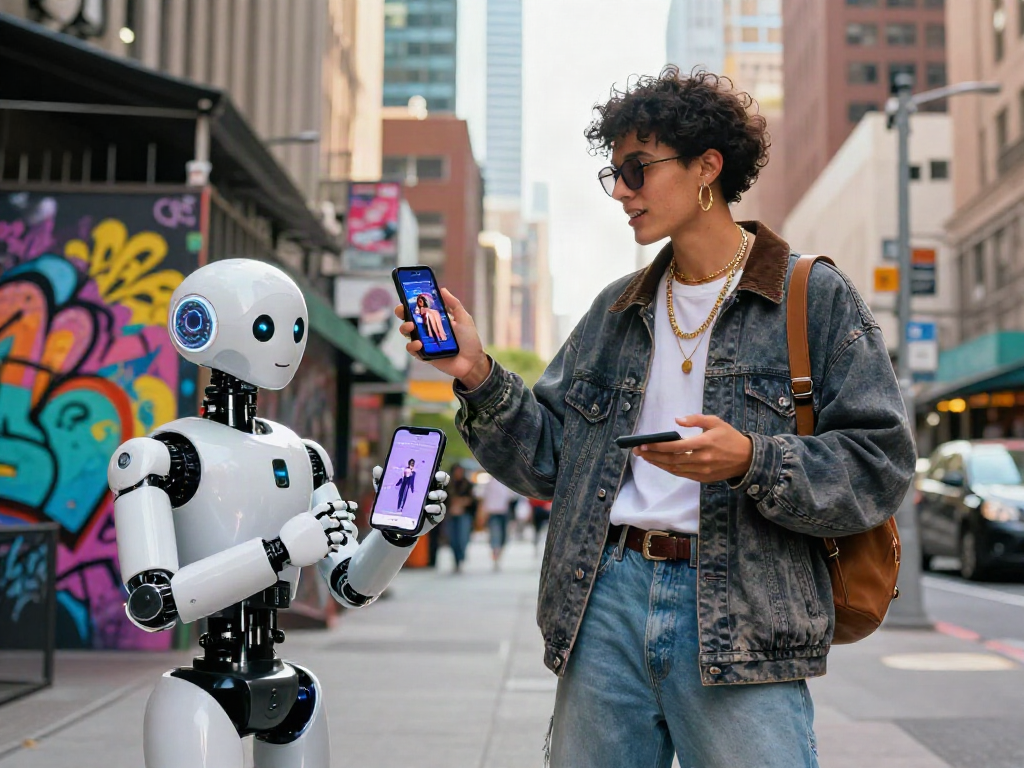
Understanding the Concept of AI Slut
In a rapidly evolving digital landscape, the term ai slut emerges as a peculiar yet intriguing concept that fuses artificial intelligence with personal branding. As AI technologies reshape our interactions and identities, understanding this term is crucial for navigating the complexities of modern culture. This article delves into various dimensions of the "ai slut" phenomenon, from its cultural implications to its presence in fashion and lifestyle, and ultimately, its future trajectory as we approach 2026. When exploring options, ai slut provides comprehensive insights into this evolving topic.
Defining AI Slut in Modern Culture
The term "ai slut" appears to be a blend of two significant elements: artificial intelligence and a subversion of traditional views on personal branding and identity. In modern culture, the idea encompasses individuals who embrace AI tools to amplify their expressions or personal brands in ways that challenge conventional expectations. It embodies a culture of openness and experimentation, where users willingly share and curate their digital identities through AI-driven platforms.
This phenomenon raises important questions about authenticity and the nature of self-presentation. Are individuals genuinely expressing themselves, or are they merely mimicking algorithms and data-driven trends? As AI systems learn from vast datasets, they inevitably shape the preferences and identities of users, leading to a complex interplay between individuality and algorithmic influence.
The Intersection of AI and Personal Branding
In today’s social media-centric world, personal branding has become crucial for visibility and success. The integration of AI in this space has transformed how individuals build and maintain their brands. From automated content creation to personalized engagement strategies, AI tools have opened new avenues for self-promotion.
However, this also means that there’s a risk of over-reliance on AI-generated content. Users must navigate the fine line between enhancing their brand through AI and losing their authentic voice. Brands that encourage experimentation with AI while retaining the essence of personal narratives will likely resonate more with audiences in 2026.
Implications for Digital Identity in 2026
As we look ahead to 2026, the implications of the "ai slut" phenomenon on digital identity are profound. The evolution of technologies such as deep learning, natural language processing, and generative design will further blur the lines between human creativity and machine-generated content. This shift will lead to more sophisticated identity constructs that could redefine how we perceive authenticity online.
Moreover, as people increasingly adopt digital avatars or AI-enhanced personas, the notion of self could become more fluid. This fluidity may challenge conventional ideas of ownership and ethics in digital spaces, requiring new frameworks to address questions of authorship, representation, and privacy.
AI Slut in Fashion and Lifestyle
The presence of the "ai slut" culture is palpably felt in the fashion and lifestyle industries, where AI is becoming an integral player in design, marketing, and consumer interaction. This section explores how these trends are shaping modern fashion choices.
Trends Influencing AI-Inspired Fashion Choices
The fashion industry has increasingly embraced AI technology to predict trends and personalize shopping experiences. AI algorithms analyze consumer behavior, social media trends, and cultural movements to create fashion recommendations tailored to individual tastes. This data-driven approach allows brands to stay ahead of the curve, providing consumers with fashionable choices that align with their preferences.
Additionally, fashion brands are now collaborating with AI to develop innovative designs that push boundaries. AI-generated designs often feature unexpected patterns and styles, challenging traditional notions of creativity and craftsmanship.
User Experience in Digital Fashion Apps
Digital fashion apps utilizing AI are transforming user experiences, making it easier for consumers to engage with fashion in personalized ways. These applications allow users to visualize how clothes will look on them through augmented reality, enhancing online shopping's interactive aspect.
Furthermore, AI-driven chatbots and virtual stylists provide personalized styling advice, helping users discover new looks that they might not have considered. This personalized approach enhances consumer satisfaction and fosters deeper connections with brands.
Real-World Examples of AI Slut in Fashion
Numerous fashion brands have begun to leverage AI in innovative ways, embodying the "ai slut" culture effectively. For example, brands like Stitch Fix utilize AI algorithms to curate personalized clothing selections, enhancing the shopping experience and encouraging more dynamic engagements with their consumer base. Additionally, companies like The Fabricant are creating entirely digital fashion collections, selling virtual clothes powered by AI technologies that allow for unique, customizable designs.
These real-world examples illustrate how the fashion industry is navigating the intersection of personal branding and technology, all under the umbrella of "ai slut" culture.
Technological Innovations Behind AI Slut
The technological landscape is rapidly evolving, and innovations underpinning the "ai slut" phenomenon are pivotal in reshaping personal expression. This section delves into these emerging technologies and their impact on lifestyle products.
Emerging AI Technologies Shaping Personal Expression
Several emerging technologies are influencing how individuals express themselves through AI. Machine learning and AI algorithms enable sophisticated data analysis, allowing platforms to generate insights into user preferences and behaviors. These insights are invaluable in shaping personalized experiences, from tailored content to unique product recommendations.
In addition to data analytics, advancements in natural language processing are enabling more nuanced interactions between consumers and AI. This progress empowers users to engage in meaningful conversations with AI-driven applications, enhancing the personalization of services and products.
How AI is Revolutionizing Fashion Retail
AI is revolutionizing fashion retail through predictive analytics, which forecast trends and inventory needs based on real-time data. This shift not only streamlines supply chains but also minimizes waste, promoting sustainability within the industry. Retailers can now adjust offerings to align with market demands swiftly.
Moreover, AI-driven tools help brands understand consumer sentiment through social media analysis, allowing for adaptable marketing strategies that resonate with target audiences. These technological advancements collectively enhance the competitive edge of fashion retailers by providing actionable insights and optimizing customer experiences.
Challenges in Integrating AI in Lifestyle Products
Despite the advantages, integrating AI into lifestyle products presents challenges. Issues surrounding data privacy, algorithmic bias, and the potential loss of human intuition in creative processes pose significant hurdles for brands. Companies must navigate these complexities while ensuring ethical practices that prioritize user privacy and authentic representation.
Moreover, as AI continues to evolve, maintaining a balance between automation and human creativity will be crucial. Brands that can successfully combine the strengths of AI with the unique perspectives of human creators will likely thrive in the fast-paced world of fashion and lifestyle.
AI Slut and Social Media Dynamics
The role of AI in shaping social media dynamics further emphasizes the implications of the "ai slut" culture, especially concerning influencers and community engagement. This section explores the evolving landscape of social media in relation to AI integration.
Impact on Social Media Influencers and Trends
Social media influencers are increasingly leveraging AI to maximize their reach and engagement. By harnessing AI tools for content creation, analysis, and follower insights, influencers can tailor their strategies to resonate with their audiences effectively. This capability allows for the rapid adaptation to emerging trends, positioning influencers as key players in the "ai slut" phenomenon.
Furthermore, influencers are now more than ever seen as brands themselves, utilizing AI to craft unique personas that blend authenticity with algorithmically derived content strategies.
Engagement Metrics and Community Growth
Engagement metrics are evolving as AI tools analyze user interactions in real time. This data-driven approach enables influencers and brands to refine their strategies continuously, ensuring that content resonates with audiences. As community growth hinges on these metrics, the interplay of AI and social media becomes pivotal in shaping the future of personal branding.
Moreover, as AI enhances predictive analytics, brands can better understand shifts in consumer behavior, fostering stronger community bonds and engagement strategies.
Addressing Critiques of AI and Authenticity
The rise of AI in social media raises critiques surrounding authenticity. Many argue that AI-generated content lacks the emotional depth and nuance that human creators bring to the table. This tension between authenticity and automation will become increasingly relevant as we navigate the social media landscape in 2026.
Brands and influencers must address these critiques by promoting transparency and fostering genuine connections with their audiences. By encouraging user-generated content and authentic interactions, they can mitigate the impact of AI on perceived authenticity.
Future Trends and Predictions for AI Slut
As we approach 2026, understanding future trends associated with the "ai slut" phenomenon becomes paramount for consumers and brands alike. This section discusses potential developments and shifts in consumer behavior.
Potential Developments in AI Fashion Technology
Future advancements in AI fashion technology may involve even more sophisticated tools for personalization, enabling hyper-targeted marketing strategies that resonate on an individual level. As generative design becomes more mainstream, the potential for unique and customizable fashion experiences is bound to explode.
Additionally, the use of augmented reality and virtual reality will likely become standard in fashion retail, allowing consumers to interact with brands in immersive environments.
How Consumer Behavior Might Shift by 2026
As the influence of AI grows, consumer behavior is expected to shift toward greater demands for personalization and unique experiences. Shoppers will likely prioritize brands that leverage AI to create tailored offerings while also valuing sustainability and ethical practices.
This shift will compel brands to innovate continuously and engage in transparent communication to foster loyalty and trust.
Expert Insights and Predictions on AI in Lifestyle
Experts forecast that the integration of AI within lifestyle products will yield innovative solutions that prioritize user experiences and creativity. As AI evolves, the focus will likely shift from mere automation to enhancing human creativity, allowing for a more enriched consumer experience.
Consequently, brands that pay heed to these expert predictions will better position themselves to leverage AI's potential while maintaining a strong human element in their offerings.
What Are the Implications for Designers and Brands?
For designers and brands, the rise of the "ai slut" culture presents both challenges and opportunities. Embracing AI tools can enhance design processes and open avenues for collaboration, but it also necessitates a commitment to authenticity and ethical practices. As the boundaries of creativity expand, designers must navigate the integration of AI thoughtfully, ensuring that their unique voices remain at the forefront.
Ultimately, the "ai slut" phenomenon is not merely a trend but a reflection of evolving cultural dynamics, underscoring the intricate relationship between technology, identity, and individual expression.